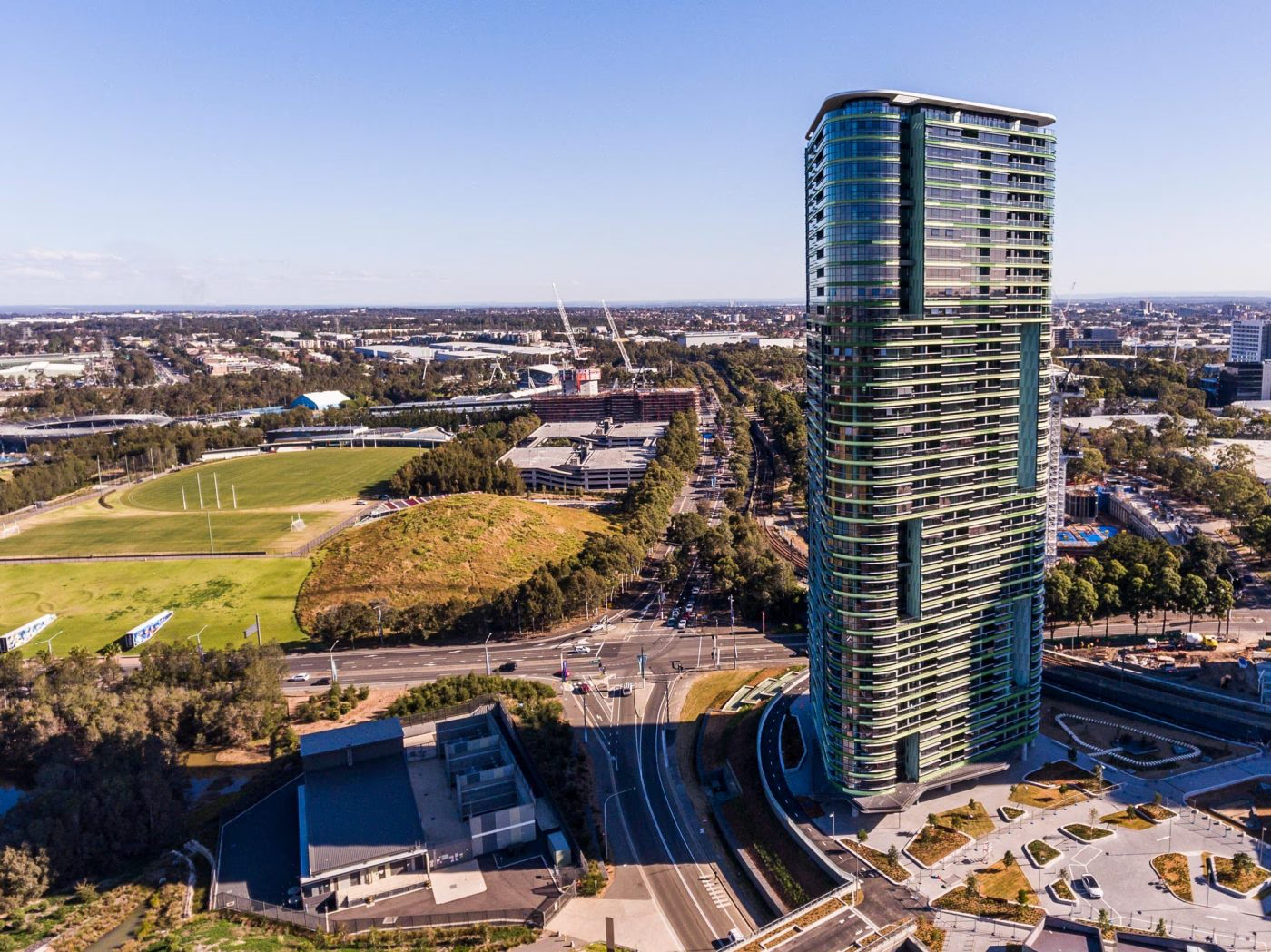

Why IPH Matters
Building management requires more than responding to today's maintenance issues.
Owners and organisations responsible for building management need reliable information to protect safety, control costs, preserve asset value, and plan with confidence. IPH helps owners, building managers and stakeholders identify emerging structural concerns early, prioritise risk, plan maintenance and make more informed long-term decisions — as an engineering record, not a reactive repair quote.
Developing Issues
Some defects develop gradually and may remain unnoticed until they require complex investigation or significant repair.
Competing Priorities
IPH helps distinguish between matters requiring action now, planned action later, and conditions needing monitoring.
Future Expenditure
Repairs, renovations, upgrades and capital works are easier to plan when structural condition is already understood.
For Residential Buildings and Complex Properties
A clear engineering picture for those with long-term responsibilities
In residential buildings, commercial properties and mixed-use developments, even a localised issue can create wider operational, financial and stakeholder impacts.
IPH creates a structured, accessible record of building condition so owners and managers have useful engineering information available when decisions need to be made.
- Condition status presented in a management-friendly format
- Risk-based prioritisation of identified matters
- Clear recommended responses and next steps
- Ongoing property health records that can be reviewed over time
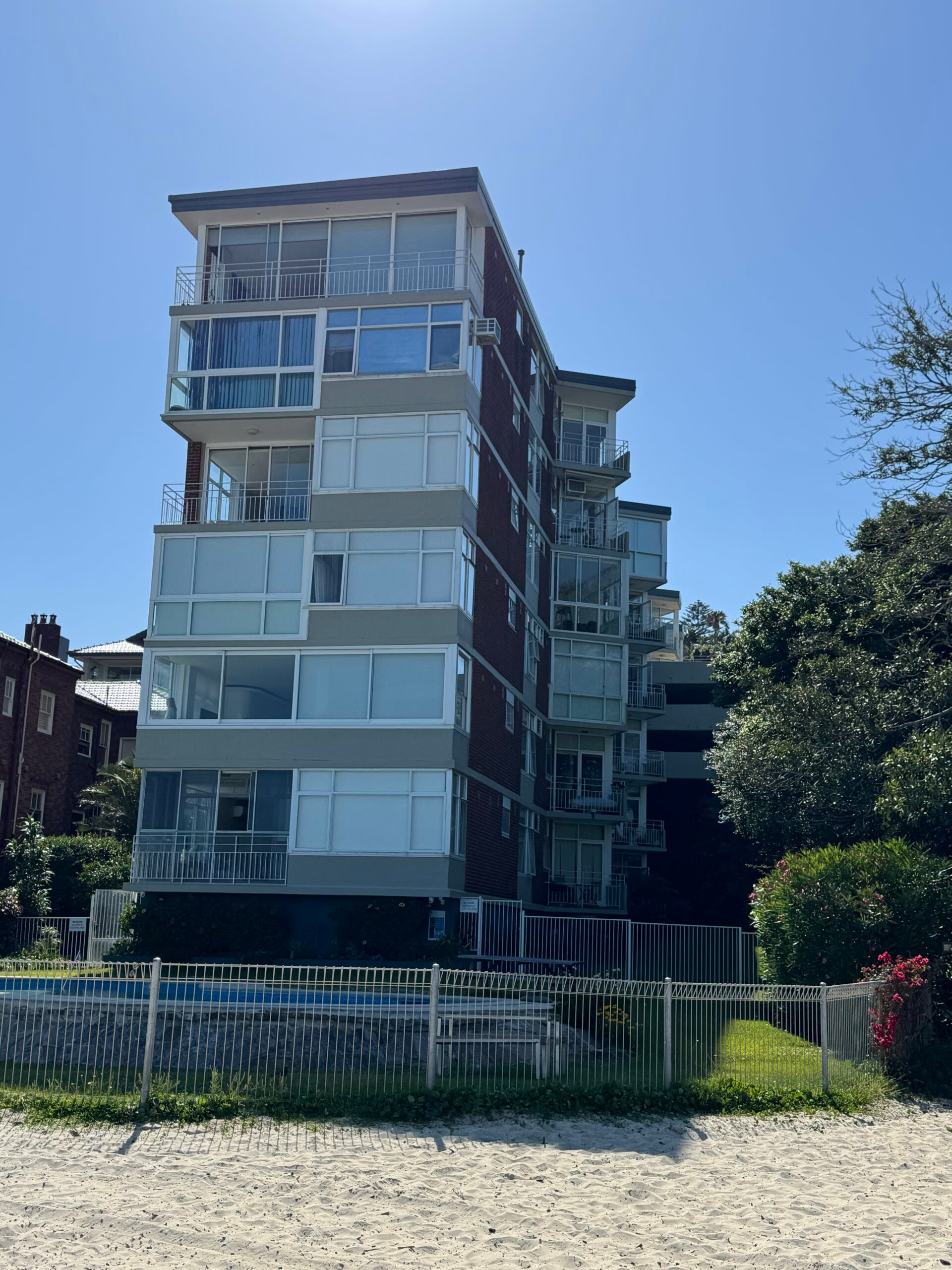
Each IPH engagement produces a property health snapshot — overall condition, structural risk, required action, and monitoring recommendations on a single page.
How IPH Works
A structured approach to understanding and managing building health.
01 | Review
Understand the Building
Review building history, available documentation, and the owner's priorities before anyone attends site.
02 | Assess
Inspect and Evaluate
Undertake a targeted engineering assessment of the structure, envelope, and the elements that drive long-term cost.
03 | Prioritise
Rank Findings by Significance
Classify every finding by risk and urgency, so attention goes where it changes the outcome.
04 | Manage
Create a Clear Action Path
Provide a practical path for action — what to do now, what to plan for, and what simply needs watching.
Who IPH Is For
For properties where good information supports better decisions.
Residential and Strata
Residential Buildings
From smaller strata buildings to large multi-unit developments, where owners and committees carry long-term responsibility for the asset.
Commercial
Commercial Buildings
For assets where maintenance and predictable expenditure matter, and where unplanned disruption carries a direct cost to occupancy.
Mixed-Use
Mixed-Use Developments
For complex properties with multiple uses and stakeholders, where responsibility for the structure is shared and needs to be clearly informed.